
Why AI Could Never Replicate Team Fortress 2: Insights from a Valve Legend
Robin Walker, the lead designer at Valve and the mastermind behind Team Fortress 2, believes that AI simply can't capture the unique charm of Team Fortress 2. He points out that human creativity is irreplaceable in game development.
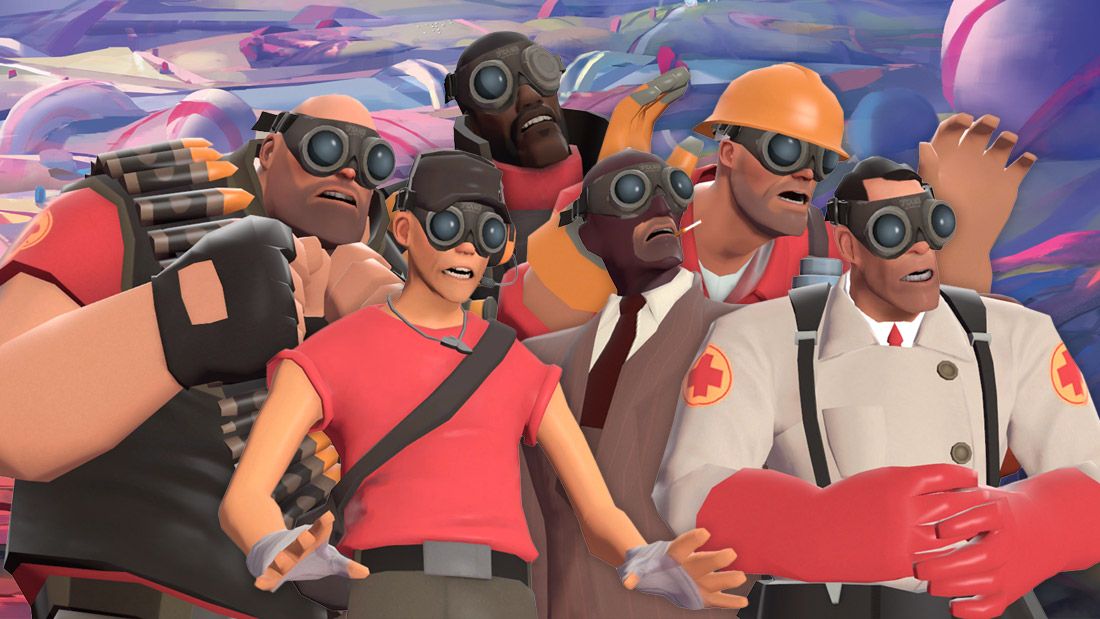
The Creative Gap Between AI and Human Game Design
Walker argues that AI has a major limitation: it’s reliant on existing data. Sure, machine learning can spot patterns in massive amounts of information, but it misses that unpredictable spark of human imagination. The innovations in Team Fortress 2—like its nine distinct classes, cartoonish style, and witty humor—aren't just random tweaks; they come from real human experimentation in game design.
- AI struggles to balance risk and reward in a way that feels "fun" rather than just mathematically optimal for Team Fortress 2.
- Procedural generation can't quite capture the nuance of TF2's map flow and class synergy.
- Humor and personality in games require cultural context that AI simply can't authentically provide in Team Fortress 2.
The Legacy of TF2: Why the Human Touch Matters in Game Development
Valve’s 2007 masterpiece didn’t just appear overnight. It spent a whopping seven years in development as Team Fortress 2: Brotherhood of Arms, going through countless revisions. Walker emphasizes that if AI took a crack at it, we’d likely end up with a “statistically average” shooter rather than a game that defines the genre of team-based shooters.
"Games aren't just systems—they're emotional experiences. You can't simply train an AI model on 10,000 existing games and expect it to create something that will make players laugh while they're being blown up by a giant talking robot."
Data vs. Intuition: The Game Development Divide
Modern AI excels at optimizing game mechanics, but Walker argues that real innovation in game development requires a bit of "deliberate inefficiency." Take TF2's Medic class; it's intentionally unbalanced, which creates those dramatic, skill-based moments we cherish in gaming. An AI focused solely on win-rate metrics would likely attempt to "fix" those quirks, stripping the game of its soul.
- AI tends to prioritize statistical balance over the depth of the gaming experience.
- Human game designers often embrace those "broken" mechanics that lead to unforgettable gaming moments.
- Evolutionary game design involves gut feelings that no dataset can truly explain.
The Future of AI in Game Development
Walker isn't opposed to AI in game development; he recognizes its value in areas like playtesting and content creation. However, he warns that over-reliance on AI could lead us to a "monoculture of mediocrity" in gaming. The lasting appeal of TF2 demonstrates that great games aren't just made—they're discovered through human curiosity in game design.
As the gaming industry increasingly embraces AI, Valve remains steadfast: Technology should enhance human creativity in game development, not replace it. No algorithm could ever capture the joy of a Heavy being fist-pumped into the air by a Scout—or the sheer absurdity of a Hatsune Miku skin war cry.